
A Macroscopic View
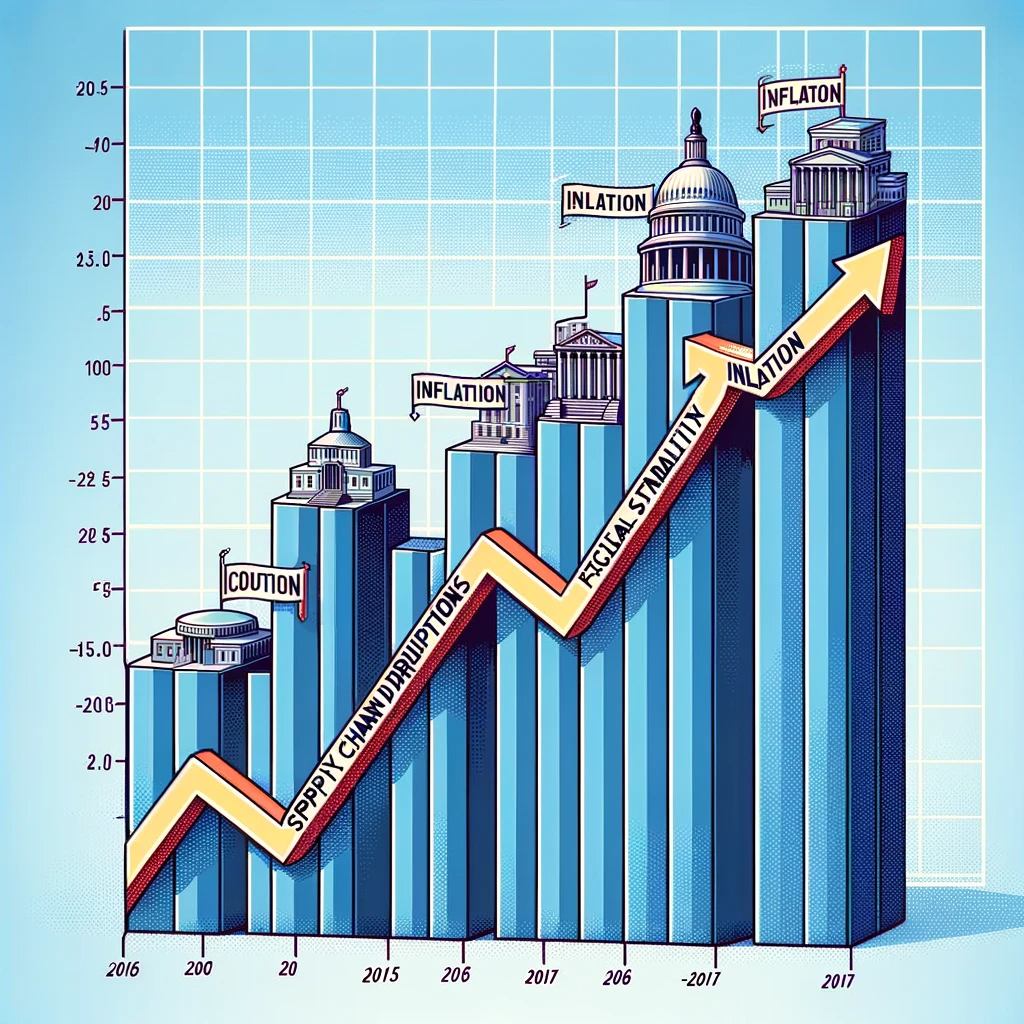
Inflation has been a persistent issue in global economies, challenging both policymakers and the public. In recent times, especially post-pandemic, inflation rates have soared, creating a complex scenario for central banks and governments. This blog post delves into the underlying factors of enduring inflation and the implications for economies, particularly in light of recent trends and data.
The Current State of Inflation
Recent data suggests that inflation, rather than being a transient phenomenon, has established itself as a more permanent fixture in the economic landscape. This persistence can be partly attributed to several factors, including supply chain disruptions, labor market constraints, and significant fiscal and monetary stimulus measures implemented during the pandemic. These factors have combined to create an environment where prices continue to rise at an accelerated pace.
Core Inflation and Monetary Policy Response
Core inflation, which excludes volatile food and energy prices, has been notably sticky, indicating underlying pressures in the economy. Central banks, such as the Bank of Canada and the Federal Reserve, face the challenge of balancing inflation control with economic growth. Aggressive interest rate hikes, a traditional tool to combat inflation, risk tipping economies into recession, especially given the current high debt levels.
The Impact of Housing and Energy Costs
Housing and energy costs have been significant contributors to the current inflationary pressure. In Canada, for instance, the housing market has seen prices driven up by a combination of low-interest rates and high demand, further fueled by immigration and population growth. Similarly, global energy prices remain volatile, influenced by geopolitical tensions and supply issues.
Geopolitical Risks and Economic Stability
The global economy faces multiple fronts of geopolitical risks, notably in the Middle East, which directly impact oil prices. A spike in oil prices can lead to cost-push inflation, where the cost of production increases across various sectors. Central banks are limited in their ability to combat this type of inflation, as raising interest rates may not directly influence the underlying causes, such as geopolitical conflicts or supply chain disruptions.
Inflation Expectations and Economic Outlook
The persistence of inflation influences expectations, which can become self-fulfilling. If businesses and consumers expect higher inflation, they may act in ways that perpetuate it, such as demanding higher wages or increasing prices. This scenario complicates the task of central banks and requires a careful balancing act to ensure that inflation expectations do not become entrenched.
Conclusion
Inflation remains a complex and multi-faceted challenge for the global economy. The current environment, characterized by high inflation rates and various underlying factors, requires a nuanced and careful approach from policymakers. Balancing inflation control with economic stability is crucial, as is addressing the specific factors contributing to inflation, such as housing costs and energy prices. As the world navigates these turbulent economic times, understanding and addressing the root causes of inflation will be key to ensuring long-term economic health and stability